Lucky Paw Embroidery: St Patrick's Day Design Review
As a professional embroidery designer and product reviewer, I approach every new digital asset with a critical eye toward production viability. When evaluating the Lucky Paw Embroidery, St Patrick s Day design, my primary focus is not just on the festive aesthetic, but on how this graphic translates from a digital screen to a tangible, stitched reality. For fellow makers, Etsy sellers, and apparel decorators, understanding the practical application of this machine embroidery design is essential before committing it to fabric. This review breaks down the real-world performance of this holiday-themed graphic for commercial and personal projects.
First Impressions and Seasonal Versatility
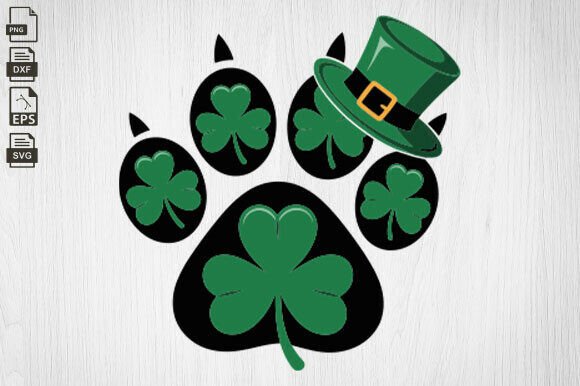
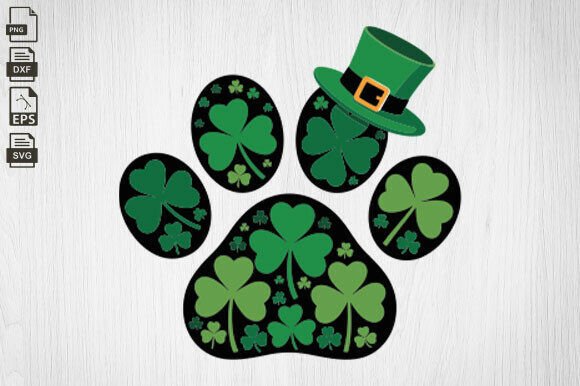
The immediate appeal of the Lucky Paw Embroidery, St Patrick s Day file lies in its balanced composition. It successfully merges two high-demand niches: pet lovers and seasonal holiday shoppers. From a design perspective, the silhouette appears clean enough to avoid the muddiness that often plagues overly complex novelty graphics. The mood is undeniably cheerful, striking a tone that feels appropriate for both adult custom apparel and baby embroidery projects without leaning too heavily into caricature.
For those working in the Crafts category, this graphic serves as a versatile foundation. Whether you are creating an embroidered patch for denim jackets or a subtle accent on a tea towel, the visual personality is distinct yet adaptable. As a digital product available for instant download, the inclusion of SVG and EPS formats suggests strong vector integrity, which is crucial for maintaining crisp edges when resizing for different hoop sizes. However, as with any embroidery file, the true test lies in the stitch-out simulation and physical sampling.
Real-World Application: The Custom Sweatshirt Test
To truly evaluate this design, I mentally placed it in a specific production scenario: creating a limited-run St. Patrick’s Day sweatshirt for a small shop product line. Sweatshirt embroidery presents unique challenges due to the fleece backing and stretchy knit face. In this context, the Lucky Paw design needs to hold its shape without distorting the garment or causing puckering.
If utilizing this as an applique design, the placement lines must be precise to ensure the fabric edge aligns perfectly with the satin stitch border. For a direct stitch version, I would assess whether the fill stitch areas are optimized for heavy fabrics. A dense design on a sweatshirt can create a bulletproof patch effect that is uncomfortable to wear. Ideally, this graphic should utilize a lighter stitch density or incorporate running stitch details to maintain the drape of the garment. For Etsy sellers, this balance directly impacts customer reviews; a stiff, heavy embroidery job often leads to returns, whereas a soft, well-executed stitch-out builds brand trust and repeat business.
Navigating Fabric Limitations and Hoop Constraints
While the Lucky Paw Embroidery, St Patrick s Day theme is universally appealing, technical execution varies significantly by substrate. Makers must exercise caution when applying this design to textured fabrics like terry cloth or linen. Fine details in the paw or shamrock elements may get lost in the weave unless a proper stabilizer strategy is employed. I recommend testing on scrap fabric first, specifically using a cut-away stabilizer for knits and a tear-away for stable wovens, to see how the thread colors interact with the fabric texture.
Small hoop sizes present another consideration. If you are downsizing this digital embroidery file for a baby onesie or a cap, verify that the smallest text or intricate lines remain legible. Reducing a design by more than 20% can cause satin stitches to become too narrow, leading to thread breaks or poor coverage. Conversely, enlarging the design for a tote bag design or pillow cover requires checking that the stitch count does not become excessive, which increases production time and thread consumption. Always confirm your machine’s maximum field size before purchasing, as digital downloads cannot always be resized infinitely without quality loss.
Commercial Value and Product Presentation
For creative entrepreneurs and craft business owners, the value of this asset extends beyond the stitch file itself. The visual clarity of the Lucky Paw motif makes it excellent for printable mockups and digital product previews. High-quality listing photos are vital for buyer engagement, and a design with strong contrast and recognizable shapes photographs better than one with muddy gradients. When marketing finished products, such as personalized gifts or holiday embroidery collections, ensure the design reads clearly in thumbnail images on mobile devices.
Furthermore, consider the licensing and commercial rights associated with this instant download. Before listing items on Etsy or at craft fairs, verify whether the license permits selling physical finished products versus digital redistribution. Professionalism in the handmade market relies on respecting intellectual property. Using this design assets correctly ensures your shop remains compliant and reputable. The dual nature of the design also allows for cross-selling; a customer buying a St. Patrick’s Day shirt might return for a generic paw print item later if your branding is consistent.
Critical Designer Notes for Production Success
Based on my experience reviewing similar graphics, here are practical steps to ensure success with the Lucky Paw Embroidery, St Patrick s Day file:
- Verify File Compatibility: Although SVG and EPS are listed, confirm these vectors convert cleanly to your specific machine format (PES, DST, JEF, etc.) using trusted digitizing software. Vector files sometimes require manual adjustment of stitch parameters during conversion.
- Contrast Testing: Test the design on both light and dark fabric backgrounds. Green thread on green fabric can disappear; you may need to adjust thread colors or add an outline to ensure visibility on dark garments.
- Stabilizer Selection: Do not skip stabilizer testing. Stretchy fabrics require cut-away backing to prevent distortion, while caps may require specialized backing to handle the curve and seam allowance.
- Detail Inspection: Zoom in on the digital file to check for overlapping stitches or gaps. In real-life embroidery, tiny gaps between color blocks can look messy. Correcting these in software before stitching saves wasted materials.
- Mockup Validation: Create black and white mockups to test value contrast. If the design looks flat in grayscale, it will likely lack depth when stitched. Adjust shading or stitch direction to enhance dimensionality.
- Washability Check: If producing kitchen towels or baby items, wash-test a sample. Ensure the stitch density is sufficient to withstand laundering without fraying, especially around curved edges.
Elevating Handmade Quality Through Technical Awareness
Ultimately, the Lucky Paw Embroidery, St Patrick s Day design offers significant potential for holiday sales and personalized gifting. However, the difference between a hobbyist result and a professional commercial embroidery product lies in the preparation. By treating this digital file as a starting point rather than a guaranteed outcome, makers can avoid common pitfalls. Pay attention to stitch density, fabric interaction, and presentation. When executed with care, this design can become a staple in your seasonal catalog, driving engagement and satisfying customers who appreciate high-quality, thoughtful handmade goods. Always prioritize testing over speed, and let technical precision support your creative vision.