Mardi Gras Embroidery PNG Design Review
As a professional embroidery digitizer and product reviewer, I approach every new asset with a critical eye toward production viability. When evaluating the Mardi Gras Embroidery PNG Design, my first assessment focuses on how this digital graphic translates from screen to fabric. While the product description identifies this as a sublimation design intended for heat transfer, many makers in our community utilize high-resolution PNG graphics as foundational references for creating custom machine embroidery designs or hybrid mixed-media projects. For Etsy sellers and apparel decorators, understanding the distinction between a print-ready graphic and a stitch-ready file is paramount to avoiding production errors and ensuring customer satisfaction.
Visual Personality and Project Alignment
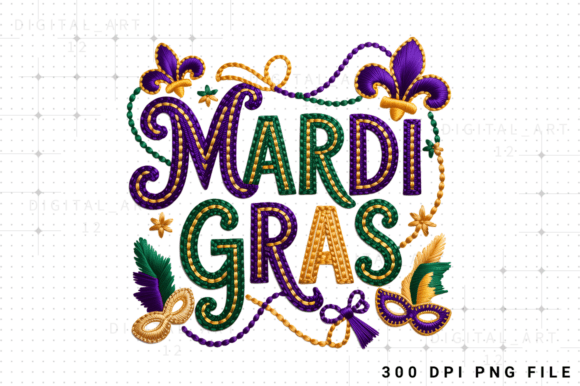
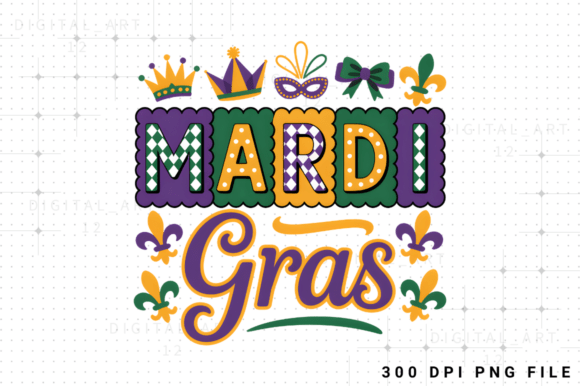
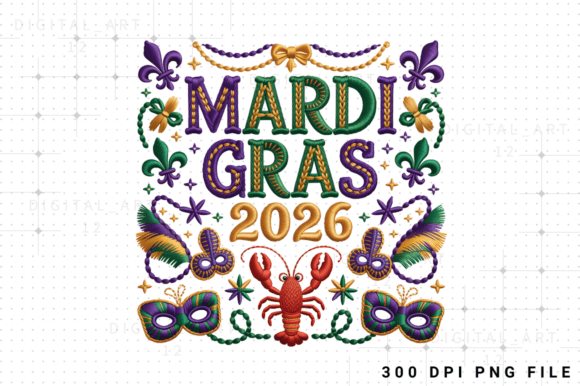
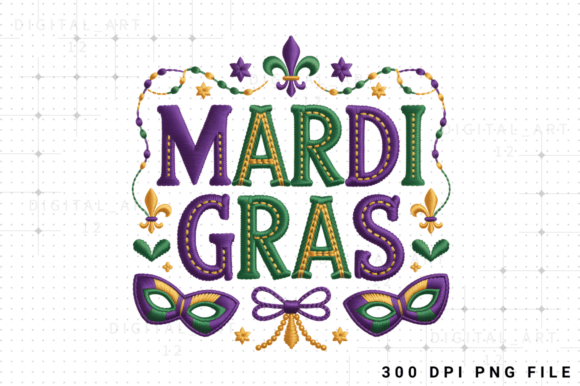
The visual mood of this Mardi Gras graphic is vibrant and celebratory, capturing the festive essence required for seasonal merchandise. From a designer’s perspective, the layout suggests strong potential for custom apparel and festival gear. The color palette—typically rich purples, greens, and golds—provides excellent contrast, which is vital whether you are using it for direct sublimation or as a color map for digitizing a new embroidery file. The shape and detail level appear balanced, avoiding overly intricate micro-details that often get lost in translation when converting graphics to stitches.
For small business owners planning their seasonal inventory, this design naturally belongs on items meant for high visibility and social sharing. It evokes a sense of tradition and fun, making it suitable for both adult festival wear and family-friendly accessories. However, because this is categorized under T-Shirt Designs and Graphics, I must emphasize that if your intention is to stitch this out, you will need to either digitize it yourself or source a companion embroidery file. Using a PNG directly in an embroidery machine without proper digitizing software will result in machine errors or poor quality output.
Real-World Application: The Custom Sweatshirt Test
To truly evaluate this asset, let us consider a real-life scenario involving a custom sweatshirt order for a local parade group. A client requests matching crewnecks featuring this specific Mardi Gras motif. If I were fulfilling this order using the PNG for sublimation, I would be confident in the color vibrancy on polyester blends. However, if the client insists on texture and durability, and I choose to recreate this as an applique design or satin stitch emblem based on the PNG artwork, several practical factors come into play.
In this sweatshirt embroidery scenario, the design's size matters significantly. A large, solid-fill area derived from this graphic could become bulletproof if not digitized with proper underlay and density management. Conversely, if used as a sublimation transfer, the hand-feel remains soft, which is often preferred for all-day wear at outdoor events. For a handmade product like this, the choice between ink and thread dictates the perceived value. Sublimation offers photographic detail and speed, while embroidery offers tactile luxury. As a maker, you must decide which attribute aligns with your brand promise before committing to production.
Performance Across Different Substrates
Versatility is key for any commercial embroidery or printing asset. This Mardi Gras Embroidery PNG Design shows promise across various categories, but performance varies by material:
- Tote Bag Design: Canvas totes provide a stable base. If sublimating, ensure the bag has a poly-coating. If embroidering based on this art, the sturdy fabric supports denser stitch counts without puckering.
- Baby Embroidery: Extreme caution is needed here. Sublimation requires synthetic fabrics which may not be breathable for infants. If adapting this for baby clothes, simplify the design into a smaller, softer running stitch or felt applique to prevent skin irritation.
- Caps and Hats: Curved surfaces are challenging for both print and stitch. For caps, verify the design fits within the limited printable or stitchable area of the front panel. Complex corners in the PNG may distort on a curved hat brim.
- Kitchen Towels and Aprons: These are excellent candidates for this festive theme. Terry cloth requires heavy stabilizer if stitching; sublimation works best on flat-weave poly towels. The bold colors of this design stand up well against white or cream backgrounds common in kitchen textiles.
Navigating Fabric Limitations and Technical Constraints
Every experienced crafter knows that a beautiful screen preview does not guarantee a flawless finished product. There are specific environments where this design demands careful handling. On dark fabrics, sublimation is invisible unless you use white toner or bleaching techniques, as standard sublimation dye is transparent. If you are digitizing this PNG for dark garments, you must incorporate adequate underlay and perhaps a knockdown stitch to prevent fabric texture from showing through the threads.
Stretchy fabrics present another hurdle. Whether pressing a heat transfer or hooping for embroidery, tension management is critical. A design with rigid lines can cause tunneling on jersey knits if the stabilizer is insufficient. Furthermore, tiny lettering or thin decorative accents visible in the PNG may need to be thickened or removed entirely during the digitizing process to ensure stitch clarity. Always respect the minimum text height rules for machine embroidery to avoid thread breaks and illegible details.
Impact on Brand Value and Customer Trust
The quality of your design assets directly influences buyer engagement and perceived professionalism. A crisp, well-executed Mardi Gras motif signals to customers that your shop pays attention to detail. Whether selling digital embroidery files or physical goods, consistency builds trust. If you offer this design as part of a collection, ensure the style matches your other listings. A jarring mismatch in artistic quality can deter repeat buyers.
For Etsy sellers and creative entrepreneurs, presentation is everything. Use this PNG to create accurate, high-quality printable mockups before listing. Customers need to visualize the scale and placement on a real garment. Misleading mockups lead to returns and negative reviews. By showcasing the design realistically—including how it interacts with fabric texture—you set accurate expectations and enhance the giftability of your personalized products.
Essential Designer Notes for Production Success
Before launching this Mardi Gras Embroidery PNG Design into your production workflow, adhere to these professional best practices:
- Verify File Type and Usage: Confirm whether you have purchased a sublimation PNG or a digitized embroidery file. Do not assume interchangeability. Check the licensing terms specifically for commercial embroidery or digital resale rights.
- Test on Scrap Fabric: Never run a final project without a test stitch-out or press. Use the exact fabric and stabilizer combination intended for the final piece to check for registration issues or color accuracy.
- Check Thread Color Contrast: If digitizing from this PNG, select thread colors that match the vibrancy of the original art. Dull threads can make a festive design look washed out.
- Evaluate Stitch Density: If creating an embroidery version, adjust density based on fabric weight. Heavy canvas needs more coverage; lightweight knit needs less to prevent distortion.
- Confirm Hoop Size Compatibility: Ensure the design dimensions fit comfortably within your machine’s maximum stitch area with adequate margin for hoop clearance.
- Review Small Details: Inspect corners and fine lines. Simplify elements that are too small to stitch cleanly to maintain a professional finish.
- Mockup Testing: Create black and white mockups to test contrast levels. If the design relies solely on color for definition, it may fail on monochromatic garments.
Ultimately, the Mardi Gras Embroidery PNG Design serves as a vibrant foundation for seasonal creativity. Whether utilized strictly for sublimation or adapted for needle and thread, success lies in respecting the technical requirements of your chosen medium. By approaching this asset with practical judgment and thorough testing, you transform a simple digital graphic into a profitable, high-quality product that delights customers and strengthens your handmade business reputation.