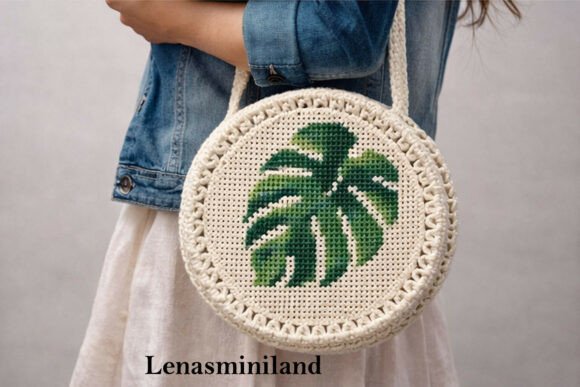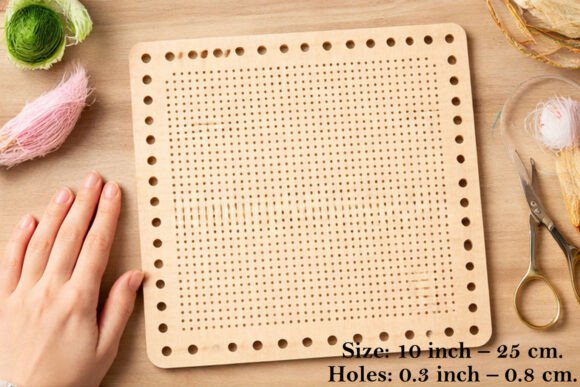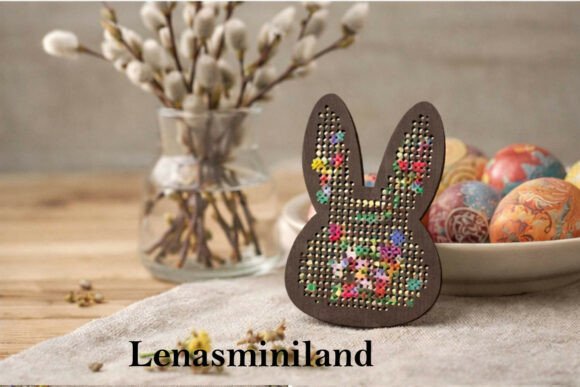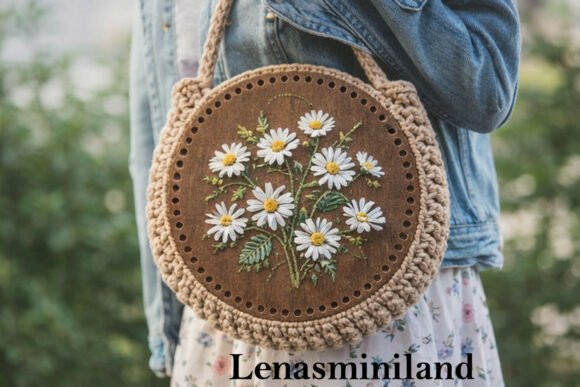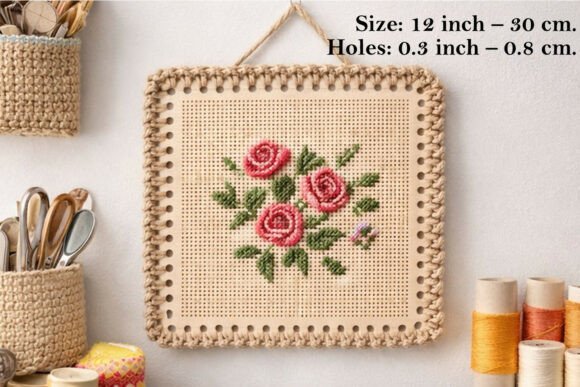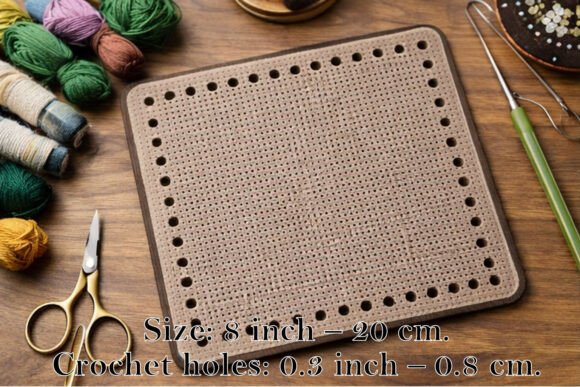
Base for Embroidery Basket Square: Laser Cutting Art
Evaluating Rustic Charm for Handmade Brand Identity
As a brand designer specializing in local business identity and packaging, my first impression of the Base for Embroidery Basket Square is one of immediate tactile warmth. Even as a digital file intended for laser cutting, this graphic design asset communicates a distinct sense of artisanal craftsmanship. The square geometry suggests stability and tradition, while the implied plywood texture evokes an organic, earthy mood that is currently dominating the handmade business sector. For a client project involving a boutique yarn shop or an organic skincare line, this asset does not feel industrial; it feels intentional. It bridges the gap between raw material and finished product, making it an excellent candidate for brands that want to emphasize sustainability and hands-on creation.
In the context of Other Art categories, this piece stands out because it serves a dual purpose. It is both a structural component for physical assembly and a visual motif for digital branding. When reviewing this for a recent client—a small business selling curated cross-stitch kits—I found that the 8-inch (20 cm) dimension provides a perfect focal point for product photography without overwhelming the delicate nature of the textile work inside. The mood is undeniably rustic yet refined, avoiding the cluttered aesthetic that often plagues craft-based marketing visuals. It signals to the customer that the brand values precision and natural materials.
Integrating Plywood Aesthetics into Packaging Design
For local business owners and packaging designers, the true value of this asset lies in its versatility across physical and digital touchpoints. In a real-world application for a handmade soap brand or a florist, the Base for Embroidery Basket Square can be utilized far beyond its original intent. As a laser cutting file, it allows for the creation of custom physical bases that elevate product presentation on retail shelves. However, as a visual element in brand identity, it offers unique opportunities for consistency.
- Product Labels and Hang Tags: Use the square outline as a frame for ingredient lists or care instructions on kraft paper labels. The geometric shape provides a clean boundary that organizes information effectively.
- Social Media Graphics: Incorporate the vector lines as an overlay in Instagram stories or Pinterest pins to create a cohesive feed aesthetic. This reinforces brand recognition without requiring expensive props for every photo shoot.
- Thank-You Cards and Inserts: Print the design lightly in the background of printable design inserts included in shipping boxes. This adds a layer of professional branding to the unboxing experience.
- Website Banners: Utilize the scalable nature of SVG design to create crisp, lightweight hero graphics for e-commerce sites that load quickly while maintaining visual interest.
When designing for food businesses or bakeries, this asset can serve as a decorative border for menu boards or price lists. The association with wood and baskets naturally complements organic foods, sourdough breads, and farm-to-table concepts. By using this single graphic design asset across multiple platforms, small business branding becomes more unified and professional, directly impacting customer trust and perceived value.
Enhancing Shelf Appeal and Visual Hierarchy
A critical aspect of commercial design is ensuring that decorative elements support, rather than distract from, the core message. The Base for Embroidery Basket Square excels in establishing a clear visual hierarchy. Its defined edges act as a container for the eye, guiding customers toward the product name or logo. In my evaluation for a candle brand project, placing the product atop the physical laser-cut base created a natural stage that separated the item from a busy table background. This separation is crucial for product mockups and promotional ads where clarity drives conversion.
Furthermore, this asset supports stronger emotional connections. In an era of mass production, visible joinery and wood grain textures signal "human-made." For creative entrepreneurs and marketers, leveraging this psychological trigger can justify premium pricing. The asset works best when used as a hero graphic or a recurring decorative brand element that ties together seasonal campaigns. Whether it is a autumn harvest promotion or a spring crafting sale, the neutral, natural tone of the plywood concept adapts effortlessly to different color palettes and marketing visuals.
Navigating Limitations in Professional Branding
While versatile, this asset requires careful placement. As an experienced designer, I must caution against using intricate laser cutting lines in areas demanding high legibility. Avoid placing detailed text directly over the complex cut patterns of the Base for Embroidery Basket Square. It should not compete with legal information, ingredient decks, or pricing on crowded product packaging. Additionally, this aesthetic may clash with ultra-modern, luxury minimalist brands that rely on stark white space and sans-serif typography. The rustic charm is specific; forcing it into a corporate tech identity or a sleek clinical skincare line could create brand dissonance.
Designers should also be mindful of scale. While the physical item is 8 inches wide, resizing the digital file too small for print may result in lost detail or muddy lines. Conversely, stretching it too large without checking vector integrity can lead to pixelation in PNG design formats. Always test the asset at actual size before committing to a full production run of labels or flyers.
Technical Checklist for Commercial Design Application
Before integrating this digital product into a client’s brand identity or your own small business branding, rigorous testing is non-negotiable. As a downloadable file, the quality depends entirely on how you manipulate it. Here is my practical checklist for ensuring professional results:
- Verify File Formats: Ensure you have both SVG and high-resolution PNG versions. SVG is essential for laser cutting machines and scalable web design, while PNG is often easier for Canva template users and social media managers.
- Test Print Contrast: Print the design on your intended packaging material (e.g., recycled kraft, glossy sticker paper). Wood tones can sometimes disappear against brown backgrounds; you may need to adjust stroke weight or add a subtle drop shadow for visibility.
- Font Pairing Validation: Test the asset beside various typefaces. It typically pairs beautifully with serif fonts for a heritage look or handwritten scripts for a personal touch. Be cautious with bold display fonts that might visually overpower the delicate lattice work.
- Mockup Reality Check: Never rely solely on screen previews. Create a physical product mockup or a realistic digital composite to see how the Base for Embroidery Basket Square interacts with lighting and shadows.
- Licensing Confirmation: This is paramount. Review the commercial license terms specifically. Confirm whether you can use the design for physical products sold for profit, or if it is restricted to digital use only. Protecting your business from copyright issues is as important as the design itself.
- Competitor Analysis: Search Etsy and local markets to ensure this specific clipart or illustration hasn't been overused in your niche. If it has, consider modifying the color or combining it with other editorial design elements to maintain uniqueness.
Ultimately, the Base for Embroidery Basket Square is a powerful tool for creative entrepreneurs looking to add depth and texture to their brand. Whether used as a literal base for embroidery baskets or as a stylistic anchor for a bakery's packaging design, it offers a tangible connection to the handmade ethos. By approaching this asset with strategic intent—testing its limits, respecting its aesthetic boundaries, and verifying its commercial viability—local business owners can transform a simple digital download into a cornerstone of a memorable, trustworthy brand identity.