Easter Bunny Embroidery Base: Laser Cutting Art
As a handmade business owner preparing for the spring rush, finding versatile assets that bridge the gap between traditional needlework and modern digital fabrication is a constant challenge. When I first opened the Easter Bunny Embroidery Base Digital Fil, I was immediately struck by its hybrid potential. Although categorized under Other Art and often associated with textile work, this graphic design asset translates beautifully into the realm of laser cutting and vinyl crafting. The aesthetic is undeniably cozy yet refined, evoking a sense of nostalgic charm that appeals to customers looking for heirloom-quality Easter decor rather than generic seasonal kitsch. It feels feminine and elegant without being overly juvenile, making it an excellent candidate for adult-oriented home goods or premium children’s apparel.
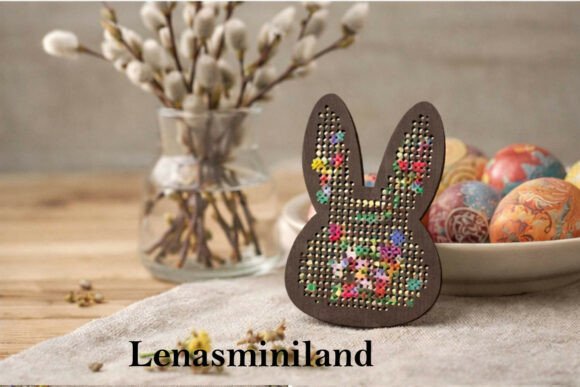
The specific dimensions of this rabbit head with ears cross stitch style—4.2 inches (10.8 cm) in height and 2.8 inches (9.2 cm) in width—are surprisingly practical for small business production. In my experience testing this file for a new spring collection, these proportions hit a sweet spot. They are large enough to serve as a focal point on a tote bag or mug but compact enough to fit comfortably on a standard greeting card or gift tag without overwhelming the layout. For Etsy sellers and craft fair vendors, having a pre-sized asset that requires minimal adjustment saves valuable production time during peak season.
Adapting Cross Stitch Aesthetics for Cricut and Silhouette Projects
While the original intent of this digital product is embroidery, adapting it for Cricut projects and Silhouette projects requires a thoughtful approach to line weight and detail. As an SVG design, the cross-stitch texture creates a unique visual rhythm that differs from standard vector art. When I imported this file into my cutting software, I found it worked exceptionally well for layered cardstock projects and stencil creation. The blocky nature of the cross-stitch illustration means there are no impossibly thin lines that might tear during weeding, which is a common frustration with intricate Easter clipart.
For sticker design and planner accessories, this asset shines when treated as a silhouette or a two-tone layer. I successfully used the bunny shape as a base for printable stickers, adding a subtle drop shadow in my design software to mimic the dimensionality of real thread. This technique bridges the gap between digital printing and handmade texture, giving print-on-demand products a more artisanal feel. However, if you plan to use this for iron-on vinyl t-shirt designs, I recommend simplifying the internal details. While the full cross-stitch texture is beautiful, cutting every individual "stitch" out of heat transfer vinyl is labor-intensive and prone to lifting. Instead, use the overall shape as a solid cut file and apply the texture via sublimation design or screen printing overlays.
Best Applications for Seasonal Handmade Business Products
In testing this asset across various mediums, I identified several high-value applications for creative entrepreneurs. The Easter Bunny Embroidery Base Digital Fil is particularly strong for:
- Mug Design and Tumbler Wraps: The vertical orientation of the rabbit head fits perfectly on curved surfaces. When used as a sublimation design, the texture mimics woven fabric, adding perceived value to drinkware.
- Greeting Cards and Gift Tags: At 2.8 inches wide, the file is ideally sized for standard A2 card fronts. It leaves ample negative space for handwritten messages or shop branding.
- Laser Cutting Templates: Because the edges are defined by geometric blocks, this file cuts cleanly on laser engravers. It works wonderfully as a leather patch template for hats or as a wooden ornament base where the "stitches" can be engraved rather than cut through.
- Printable Wall Art: Scaled up slightly, the texture holds its integrity at larger sizes, making it suitable for nursery prints or spring mantel decor.
These applications leverage the unique personality of the asset while respecting its technical origins. For small business branding, using this distinctive style helps differentiate your shop from competitors using mass-produced, smooth-line vectors.
Technical Considerations and Crafting Limitations
Honesty about technical limitations is vital for maintaining customer satisfaction and reducing waste. While this graphic design asset is versatile, it demands careful handling in specific scenarios. The cross-stitch simulation creates jagged edges by design. If you are attempting very small cutting details—such as mini stickers under one inch—these jagged edges may blur together or fail to cut cleanly. I advise against using this specific file for detailed facial features on tiny items; reserve those tasks for smoother, simplified illustrations.
Additionally, when using this for layered vinyl projects, be mindful of registration marks. The pixelated nature of the design can sometimes make alignment tricky if your software snaps to grid lines differently than expected. Always preview PNG transparency before printing to ensure no stray artifacts remain from the digitization process. For those using this in commercial design workflows, verify that your color profile matches your output device; the textured areas can sometimes appear darker in print than they do on screen due to ink saturation in the simulated stitch gaps.
Essential Workflow Tips for Creative Entrepreneurs
Before listing any finished goods created with this digital product, run through a rigorous testing protocol. I always test the file on scrap material first, especially when experimenting with laser cutting or new vinyl brands. Check how the design looks on both white and dark substrates; the contrast significantly affects how the cross-stitch texture reads visually. On dark backgrounds, the texture may disappear unless outlined or backed with a lighter layer.
Typography pairing is another critical factor. Given the rustic, textured nature of the bunny, avoid ultra-modern geometric fonts that might clash. Instead, pair this illustration with serif fonts for a vintage look, or soft handwritten scripts to enhance the cozy, handmade vibe. Sans serif fonts work well only if they have rounded terminals that echo the softness of the bunny ears.
Finally, never assume licensing terms. Before selling t-shirt designs, mug wraps, or printable art featuring this bunny, confirm the commercial license included with your purchase. Some design bundles restrict usage to personal crafts or limit the number of physical units sold. Protecting your handmade business means ensuring every design asset is cleared for your intended scale of production. By treating the Easter Bunny Embroidery Base Digital Fil with technical respect and creative intention, you can transform a niche embroidery pattern into a cornerstone of your seasonal product lineup.